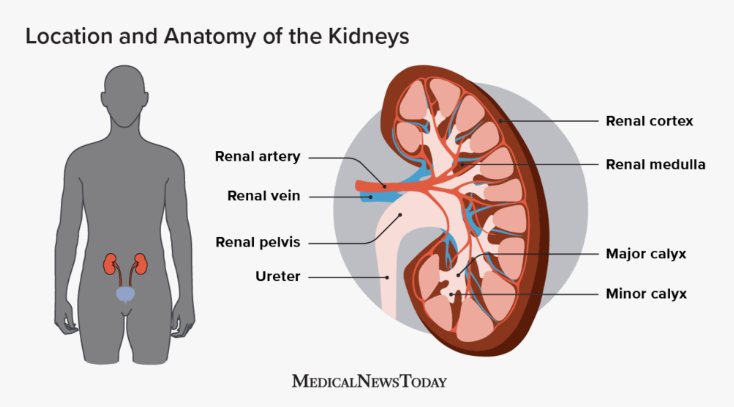
Kidney disease is a medical condition in which the kidneys are damaged and unable to perform their essential functions effectively. The kidneys are two bean-shaped organs that play a critical role in maintaining overall health. They filter waste products, toxins, and excess fluids from the blood, regulate blood pressure, balance electrolytes, and help produce hormones that support red blood cell production and bone health.
When the kidneys are not functioning properly, waste and fluids begin to accumulate in the body, leading to serious health complications. Kidney disease can be classified into two main types:
- Acute Kidney Injury (AKI): A sudden loss of kidney function, often caused by infections, dehydration, or injury. It can sometimes be reversed if treated early.
- Chronic Kidney Disease (CKD): A long-term condition that develops gradually over time, often going unnoticed in its early stages. CKD is more common and can progress to kidney failure if not properly managed.
Kidney disease is often referred to as a “silent condition” because symptoms may not appear until significant damage has already occurred. This makes early detection through regular health screenings extremely important. With proper care, lifestyle changes, and medical support, the progression of kidney disease can be slowed, and quality of life can be maintained.
Kidney disease can develop due to a wide range of medical conditions, environmental factors, and lifestyle habits. Understanding these causes is key to prevention and early intervention.
The two leading causes worldwide are:
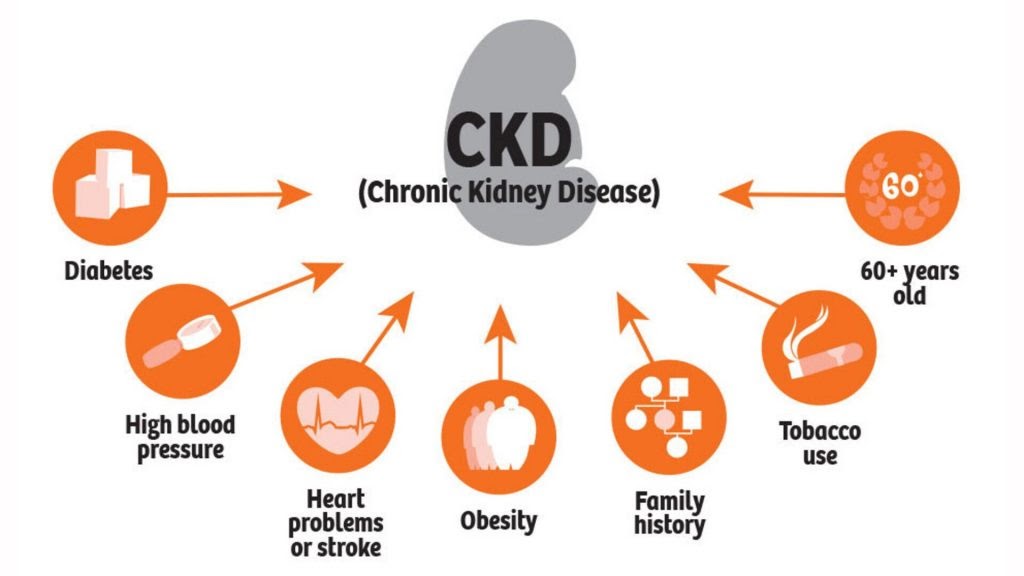
- Diabetes: High blood sugar levels over time can damage the tiny blood vessels in the kidneys, reducing their ability to filter waste effectively.
- High Blood Pressure (Hypertension): Increased pressure on blood vessels can weaken and damage the kidneys, impairing their function.
Other important causes and risk factors include:
- Infections: Repeated or severe kidney infections can lead to permanent damage.
- Genetic Conditions: Diseases such as polycystic kidney disease can be inherited and affect kidney structure and function.
- Autoimmune Diseases: Conditions like lupus can cause the immune system to attack kidney tissues.
- Obstruction of the Urinary Tract: Kidney stones, enlarged prostate, or tumors can block urine flow and damage the kidneys.
- Prolonged Use of Certain Medications: Overuse of painkillers or harmful substances can negatively affect kidney health.
- Unhealthy Lifestyle Habits: Poor diet, excessive salt intake, smoking, alcohol abuse, and lack of physical activity increase the risk.
In many cases, kidney disease results from a combination of these factors. The good news is that many of these causes are preventable or manageable through healthy lifestyle choices, regular medical check-ups, and early treatment.
One of the most challenging aspects of kidney disease is that it often develops without noticeable symptoms in its early stages. Many people may live with kidney damage for years without realizing it. As the disease progresses, however, symptoms begin to appear and may worsen over time.
Common signs and symptoms include:
- Fatigue and weakness: Caused by the buildup of toxins or reduced red blood cell production
- Swelling (edema): Especially in the legs, ankles, feet, or face due to fluid retention
- Changes in urination:
- Increased or decreased frequency
- Foamy or bubbly urine (indicating protein loss)
- Blood in urine
- Pain or difficulty when urinating
- Loss of appetite and nausea: Due to toxin buildup in the body
- Difficulty concentrating: Resulting from imbalances in body chemistry
- Muscle cramps: Often caused by electrolyte imbalances
- Dry or itchy skin: Linked to waste accumulation in the bloodstream
- Shortness of breath: Due to fluid buildup in the lungs or anemia
Because these symptoms can easily be mistaken for other health conditions, many people do not seek help early enough. This is why regular screening especially for individuals at risk is essential for early detection and effective management.
Recognizing these warning signs and seeking medical attention promptly can make a significant difference in preventing complications and improving long-term health outcomes.